

Joshua Adesegun
Strategy Lead

Every day, people make decisions without having enough information to know whether they are making the right choice. They choose banks they have never trusted with their money, software they have never used, and companies they have never heard of six months earlier. They do this because waiting for complete certainty is rarely an option.
Instead, people rely on something else. They rely on signals.
Before users know whether a product is genuinely reliable, they look for evidence that it is likely to be. They notice the clarity of its messaging, the confidence of its positioning, the professionalism of its design, the credibility of the people behind it, and the experiences of those who have used it before. Individually, these signals appear insignificant, but collectively, they shape one of the most important decisions a user will make: Do I believe this product is worth the risk?
Unfortunately, early-stage startups live and die by these signals because users cannot yet evaluate the product itself.
The journey of entrepreneurship is laden with endless hurdles that demand that founders are fortified with enough courage and ambition to push beyond the status quo, sometimes, even against reality.
A textbook example is the strong belief that great products eventually win. It is one of the most enduring ideas in technology. Build something genuinely useful, solve a meaningful problem, and the market will recognise its value.
Reality, however, is more complicated.
History, on one hand, is filled with products that deserved far more attention than they ever received, while on the other hand, it is equally filled with products that reached extraordinary scale without being dramatically better than the alternatives available at the time.
In truth, product quality is crucial, but it is simply not the first thing users evaluate. Users cannot judge a product they have not yet experienced. What they can judge are the signals surrounding it.
Long before someone experiences your product, they begin forming opinions about it. They assess whether your company appears competent, whether it feels established enough to trust, whether adopting it introduces unnecessary risk, and whether it is likely to survive long enough to justify the effort of switching. These judgments emerge before a feature is tested, before an onboarding flow is completed, and often before a single button is clicked.
By the time users are finally ready to evaluate your product, they have already spent considerable time evaluating whether they believe in it.
That simple observation explains why some early-stage startups build products users should genuinely love yet still struggle to grow. The problem is not that the product fails to deliver value. It is that not enough people believe that value is worth experiencing, even before they have experienced it themselves.
The invisible decision users make
Every product asks users to take a risk.
For a fintech platform, that risk may involve trusting an unfamiliar company with personal finances. For a B2B software business, it may involve disrupting established workflows or persuading colleagues to adopt a new tool. Even a simple productivity application asks users to invest something valuable: time, attention, and the willingness to abandon familiar habits.
Loss aversion is a prevalent factor in product adoption, just as it is in any other decision-making context. When we evaluate unfamiliar products in categories where alternatives exist, our excitement for what we might gain is only half as strong as our concern over what could go wrong if we choose incorrectly.
As a founder, you spend months refining features because you believe a superior product naturally drives adoption. However, no matter how good a product is, users will always encounter uncertainty if they are to choose you, and every interaction either reduces that uncertainty or reinforces it.
By the time someone reaches your pricing page, books a demonstration, or downloads your app, they have already begun constructing a mental picture of your business. They infer competence, reliability, and permanence from what they see and experience. These signals accumulate until users either feel comfortable moving forward or quietly decide the risk outweighs the reward.
Why startups mistake visibility for conviction
Startups are naturally built on pace, high traffic volume and multiple hits per minute are butterflies in the bellies of founders. When growth is slower than expected, the diagnosis usually focuses on visibility: more ad budget, more content, stronger social media presence, more aggressive outreach. Since visibility is measurable, it becomes the default explanation.
Visibility, however, is only valuable if it increases conviction.
A beautifully designed website that fails to answer obvious concerns does not build belief. A polished visual identity cannot compensate for vague positioning. Likewise, an excellent product demo cannot overcome uncertainty if users remain unconvinced that the company behind it is capable of delivering on its promises.
Founders sometimes assume branding begins after product-market fit, once the product has garnered enough traction to justify investing in identity and communication. But users do not experience products and businesses in that sequence.
They encounter product positioning before features, visual identity before functionality, and brand messaging before utility. Every impression contributes to a broader judgment about whether the company deserves further attention.
Branding, therefore, is not decor applied after the important work is complete. It is part of the system through which users decide whether the product is worth experiencing at all.
This is the idea at the heart of what we call The Brand Operating System.
A brand is not a logo, a colour palette, or a collection of marketing assets. It is the operating system that aligns positioning, communication, visual identity, and experience into a coherent whole. When these elements reinforce one another, they reduce uncertainty. When they conflict, uncertainty grows.
The consequence is not simply weaker branding. It is a slower adoption.

Introducing the Product Belief Pathway
At Intasect, we think about this process through a framework we call The Product Belief Pathway.
It describes the sequence through which unfamiliar products become products people are willing to adopt.
A single interaction rarely creates belief. It develops through a series of reinforcing signals, each reducing uncertainty a little further than the last.
The pathway begins with Recognition. Users need to understand who the product serves and why it exists. Confused positioning rarely leads to confident decisions.
Recognition leads to Credibility. People look for evidence that the company understands the problem it claims to solve. Clear messaging, thoughtful design, founder expertise, early customers, strategic partnerships, and consistent communication all contribute to this perception.
Credibility creates Confidence. At this stage, users begin believing the product is capable of delivering what it promises. They become willing to invest time in exploring it further.
Confidence enables Trial. Only after enough uncertainty has been removed do users feel comfortable creating an account, requesting a demonstration, or making their first purchase.
Positive experiences reinforce Conviction. The product delivers on the expectations established before adoption. Trust deepens because reality matches belief.
Finally, conviction produces Advocacy. Users recommend the product, defend it, and introduce others because they no longer feel they are taking a risk. They feel they are reducing one for someone else.
This pathway is rarely linear, and it is never guaranteed. Every interaction either strengthens or weakens belief.
Borrowed belief before earned belief
One of the realities of early-stage companies is that trust cannot always be earned immediately.
Sometimes it has to be borrowed.
Investors, accelerator programmes, respected advisors, recognised customers, thoughtful partnerships, industry publications, integrations with trusted platforms, and strong founder reputations all transfer credibility from established institutions to emerging companies.
Users understand this intuitively.
When they see a startup backed by an organisation they already trust, uncertainty decreases. They move from evaluating only the product to evaluating the judgment of everyone willing to associate with it.
As remedial as borrowed belief can be, it should never replace genuine product quality. It should simply create enough confidence for users to experience that quality themselves.
Luke's decision
Luke is the operations manager of a growing logistics company.
His team relies on spreadsheets that have become increasingly difficult to manage. After months of frustration, he discovers two software platforms that appear capable of solving the problem.
The first product has more features.
The second explains the problem more clearly.
The first product has an attractive interface.
The second presents customer stories from businesses similar to Luke's, communicates its implementation process with confidence, explains security without overwhelming technical jargon, and demonstrates a consistent visual identity across every touchpoint.
Neither platform has yet proved itself. Luke has not used either product, yet one already feels safer. His decision is not irrational. He is reducing uncertainty by utilising every available signal before experience becomes possible.
And Luke is not alone; billions of consumers follow the Product Belief Pathway multiple times daily. It is the duty of a founder to ensure all signals lead to conviction.
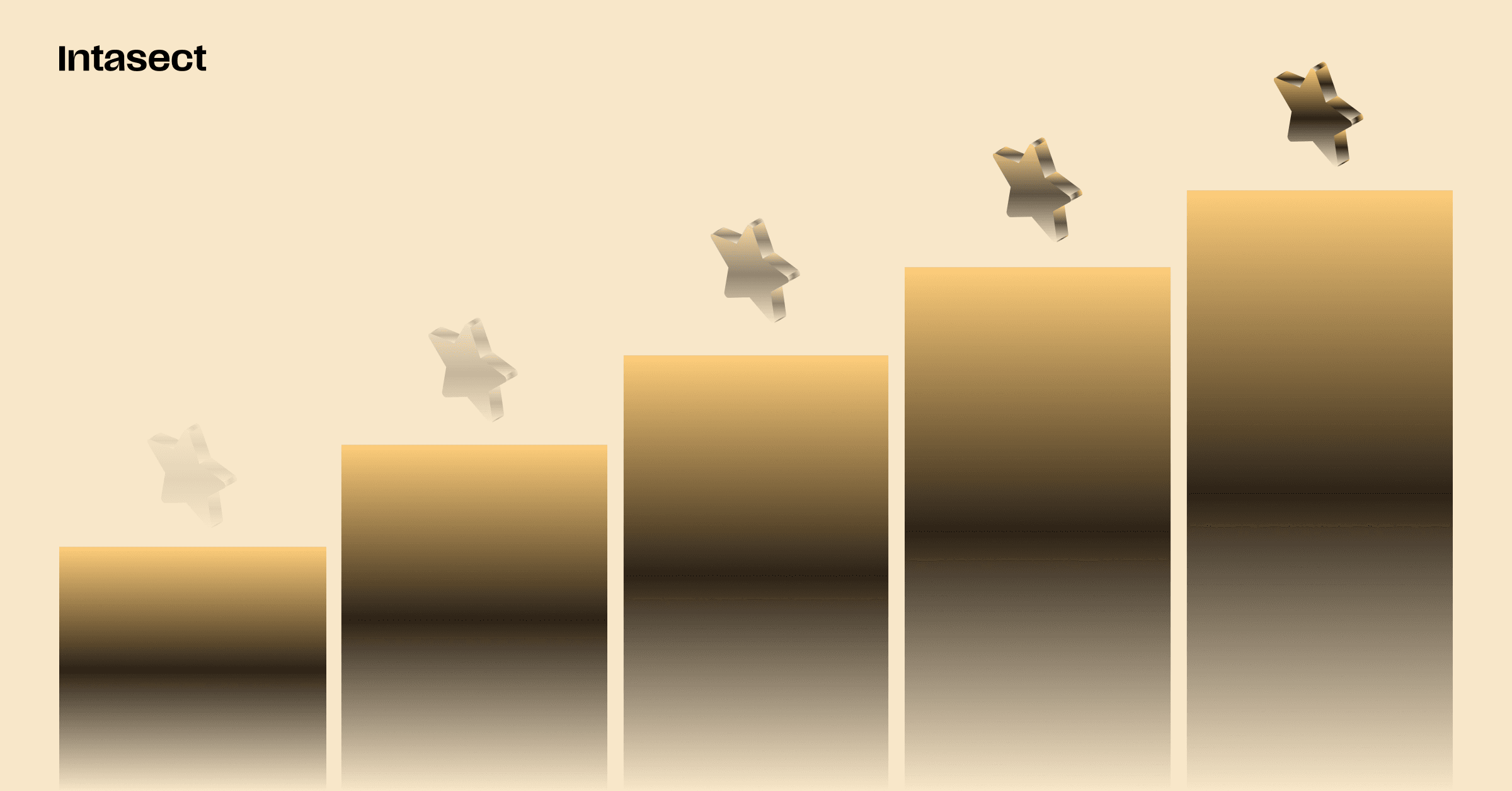
Belief Accumulates Before Trust
Belief develops gradually. Rarely does a single interaction persuade someone to adopt an unfamiliar product. Instead, confidence is assembled from dozens of seemingly ordinary moments, each answering an unspoken question about whether this company deserves further consideration.
A confirmation email that arrives instantly communicates operational competence. Transparent pricing reduces the anxiety of hidden costs. A thoughtful onboarding experience suggests the team understands the challenges new users face. Responsive customer support signals accountability, while consistency between what marketing promises and what the product actually delivers reinforces the expectation that this is a business capable of keeping its word. None of these interactions might seem remarkable in isolation, yet together they become the evidence from which users infer reliability.
This gradual accumulation of confidence is easy for founders to overlook because every individual touchpoint appears too small to influence adoption. Attention naturally gravitates towards product launches, advertising campaigns, and feature releases because they are visible milestones. Users, however, grow confidence through repeated encounters that quietly confirm the same underlying belief: this product is likely to do what it promises, and the people behind it appear capable of delivering on that promise.
Users rarely remember every interaction they had with a business. What they carry forward is the overall impression those interactions created. Long before trust becomes loyalty, it begins as a pattern of consistent experiences that reduce uncertainty one decision at a time.
Why Belief Has Become a Competitive Advantage
Building software has never been more accessible. Development tools are more powerful, artificial intelligence has accelerated engineering workflows, and new products can move from concept to launch in a fraction of the time they once required. As a result, functional advantages disappear quickly. Features are copied, interfaces converge, and technical innovation alone rarely remains exclusive for long.
What has become more difficult is earning the confidence of people who have countless alternatives competing for their attention. The startups that separate themselves are often those that reduce uncertainty faster than everyone else. They make it easier for users to understand what they do, why they are credible, and why adopting the product feels like a rational decision despite the inevitable risks that accompany something new.
This is why two companies with comparable products can experience remarkably different outcomes. One struggles to convert interest into adoption, while the other gathers momentum with surprising speed. The difference is often explained less by what the product can do than by how effectively the business helps users develop enough confidence to experience it.
Building Products People Believe In
Founders often ask when they should invest in brand strategy. The question itself reflects an assumption that branding begins at a particular stage of growth, after the product has matured or traction has been established. Users do not evaluate companies according to that timeline.
Opinions begin forming from the very first interaction, whether founders intentionally shape those impressions or not. Positioning, language, visual identity, onboarding, customer communication, and product experience all contribute to a single judgment about whether this is a business worth taking seriously. These signals accumulate long before users have enough firsthand experience to evaluate the product itself.
A Brand Operating System exists to ensure those signals reinforce one another rather than compete for attention. When every interaction communicates the same underlying promise with clarity and consistency, users require less faith to take the next step. Belief develops more quickly, adoption becomes less dependent on persuasion, and great products have a far greater opportunity to be experienced on their own merits.
Every startup is asking users to make a prediction. The question is not whether your product works; it is whether they have enough reason to believe it will.
At Intasect Studio, we work with early-stage and growth-stage startups to build Brand Operating Systems that help products earn belief before they ask for adoption. Through positioning strategy, brand identity, and message architecture, we help founders create the conditions under which great products can finally be judged on their own merits.
If you're building a product people love but struggling to turn interest into conviction, we'd love to talk.
Start a conversation with us here